Lessons from Betting on Myself and Launching My Own Design Studio
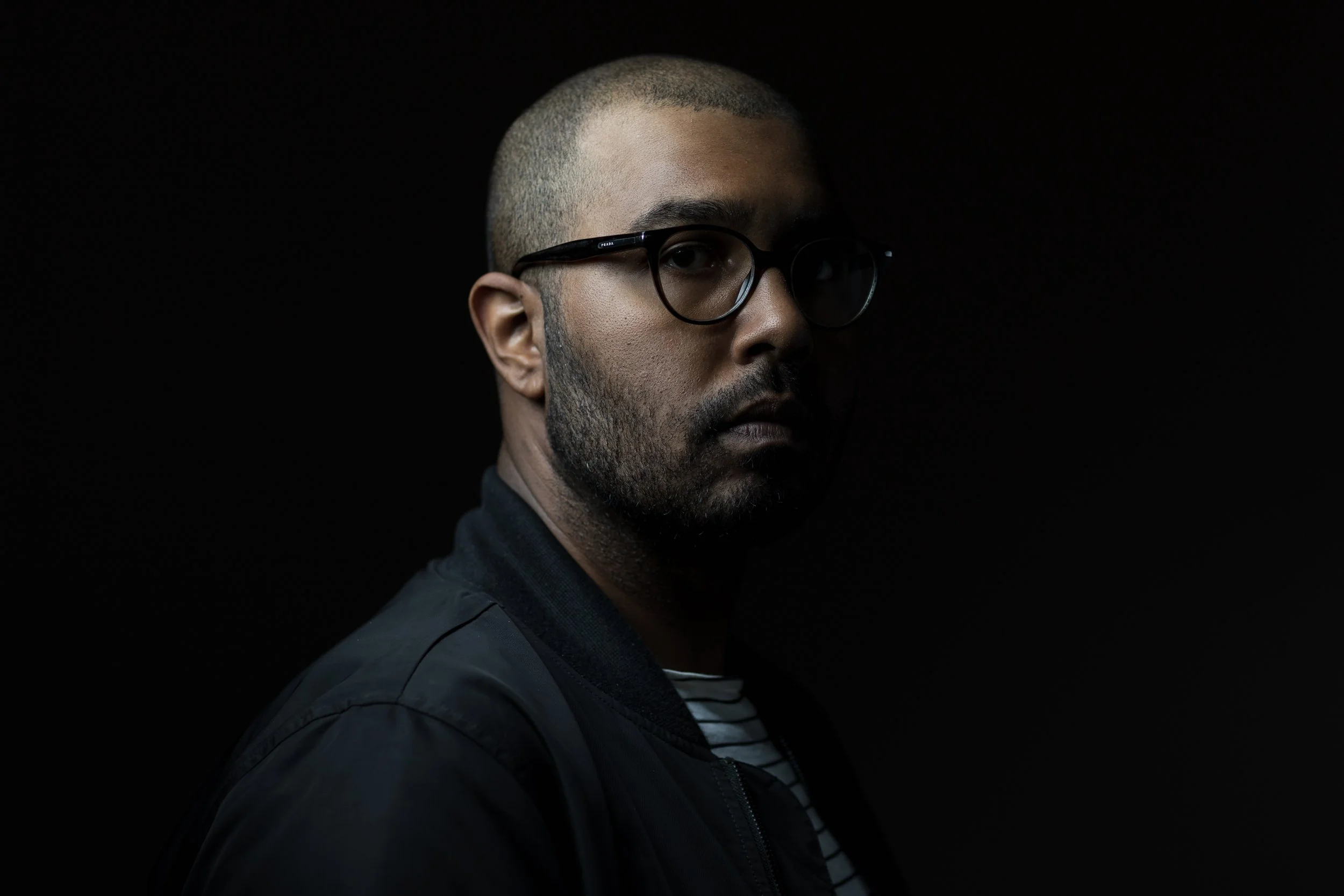
by Devlin Moore
By most measures, I’d made it. From designer at Apple on my resume to a Director title at a venture-backed startup (and in between, founders were sliding into my DMs looking for design leadership positions). But I wasn’t proud of the work I was producing, and I’d become unhappy with the industry. I had long dreamed of working for myself, but the reasons to stay in the corporate world (the benefits, the security, the money) always won the debate.
Until I found myself laid off for the second time in 11 months, that is, just a few weeks before the holidays, and I realized I dreaded the idea of interviewing for a tech role I didn’t really believe in, more than I dreaded the uncertainty of where my next paycheck would come from.
One evening after the layoff, my wife asked, “Do you think it could be time for you to go off on your own?”
I can’t remember how I responded in the moment, but her asking the question forced me to actually think about doing it — something I knew I wanted to do for awhile, but never allowed myself to get to far into actually thinking about.
But this time was different. Once I started actually thinking, I made up my mind almost immediately and knew what I had to do. I decided to take the money previously reserved for a down payment to buy our first home and invest it in myself instead, something I had never thought to do before. The cushion of savings and the ability for my son and I to be on my wife’s benefits made the decision easier, but what I really needed was permission to take this leap.
A few weeks later, I launched my design studio, Petal. I built the brand, designed and coded the website, and started taking on my first project. For the first time in a long time, I felt a true sense of ownership over my work. When I went independent, I quickly understood that I’d have to run both a studio and a business (and that those aren’t necessarily the same thing).
I’ve learned a lot since starting Petal. If I could go back in time and tell myself anything, it would be this:
Be clear on what you offer, and equally clear on what you don’t offer.
Be curious. The only way I’ve been able to understand what I want to offer, which spaces I wanted to work in, and who my target customer is has been to be curious, say ‘yes’ to opportunities if I thought there could be a possibility something good could come out of them, and allow myself to try new things.
Focus on what problems you want to solve for others. The solutions will come when you know what you’re solving (and why it’s important)
Establish tiers to define the types of clients you want to work with, from ideal to acceptable, advantageous to opportunistic. This is especially important when the types of services you offer are far-reaching.
Identify the gaps in your portfolio and go after those opportunities.
A pro bono project can be worth taking, but only if you know what you're getting out of it before you start — a portfolio gap filled, a working style tested, a relationship built. Treat these like you would paid projects, and price those projects out (even if it’s just for you, though it can also be helpful to show pro-bono clients the value of what they’re paying for)
Never discount, but learn to right-size what you offer at a given budget. There's a difference between lowering your rate and adjusting your scope. The outcome is often the same for your clients, but allows you to hold on to the value of your work.
Be where your ideal clients already are, whether that's LinkedIn, Instagram, in-person meetups, or your own neighborhood. This might mean you step out of your comfort zone a bit!
Reach out to past colleagues early on. They already know the quality of your work and your character, and they won't necessarily come to you just because they saw what you're doing now.
And when ghosting happens (because it will), don't dwell on it. Follow up once or twice, and if you don’t hear back, it’s time to move on.
It can be frustrating not knowing what’s “working” if you’re not getting feedback one way or another. Keep experimenting and putting yourself out there.
Look for proof that what you’re doing is the right thing. More on that below.
I'll be honest: fourteen months in, and I still think my success is to be determined, but every project and client has offered me proof, something arguably more valuable than revenue. Proof that design is still needed and valued, and that many people struggle to understand the relationship between brand and product design. Proof that there’s opportunity out there, and building this studio really is viable.
You can’t pay the bills with proof, but in addition to everything else I’ve learned, it feels good to get that out of my first year.
I’ve spent the last year networking, posting, and connecting with others on LinkedIn, a platform I used to consider somewhat of a nemesis. I’ve found clients, connected with other self-employed designers, and finally feel like I’ve curated a feed that doesn’t leave me frustrated after every post I encounter (just some of them).
People are craving more independence over their work and autonomy over their time and their work, and the viability of self-employment is becoming more apparent as the infrastructure for independence improves and fractional work becomes more visible (and desired). All of this has made Petal a natural pathway for me.
It took me years of layoffs, uncertainty, and work I wasn’t proud of to finally start creating the life I knew I wanted. My ‘not ideal’ situation forced me to choose independence, and while the leap wasn’t easy, I realized my old reasons for keeping me stuck just weren’t good enough anymore. If you find yourself stuck in your own ‘not ideal’ situation, maybe your old reasons for staying aren’t cutting it anymore, either.
Want more insights like this?
Devlin is a multidisciplinary designer and creative director specializing in product design, brand identity, and digital experiences. With over a decade of designing products and experiences at Apple, Etsy, and leading teams at numerous early-stage startups, he understands how great brands and products are built.
In 2025, he founded Petal, a Brooklyn-based branding and product design studio creating meaningful brands and human experiences, thoughtfully connected from concept through execution. He also enjoys speaking with other designers and others that are self-employed and are on a similar journey.
Follow me on LinkedIn
If you’re at a pivotal moment, whether that’s launching a product, repositioning your brand, or evolving an experience, we’d love to help. See our work and get in touch at https://petal.design.
About Onward
Onward is a membership for healthcare, perks, and career support to help you thrive, no matter how your work is classified. Whether you’re self-employed, between gigs, or exploring alternatives, Onward gives you access to benefits that fit your life on your terms.
Learn more at onwardbenefits.com.
